Blazing Nissan Stadium forces Eagles coach onto IV as cleats liquefy
Extreme heat at Nashville’s Nissan Stadium melted players’ footwear and left Eagles head coach Nick Sirianni needing an IV during the 24‑20 win over the Titans.
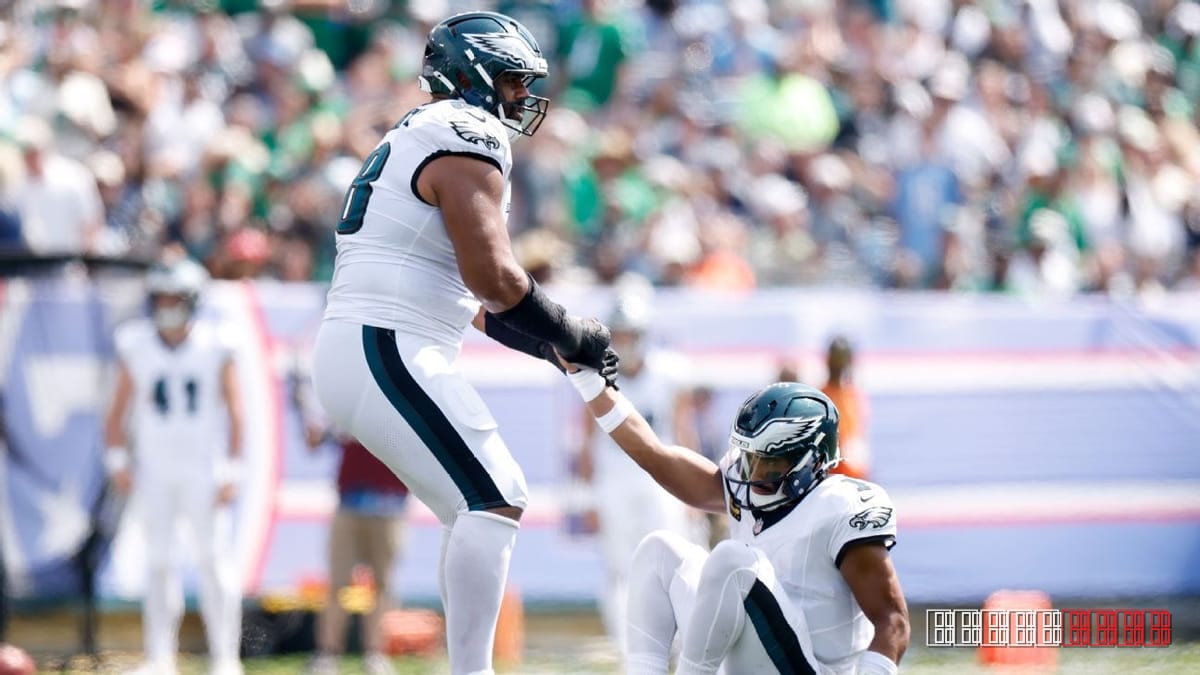
Sunday’s NFL showdown at Nissan Stadium turned into a battle against the elements as temperatures on the artificial turf spiked to an estimated 157 °F, according to ESPN. The sweltering conditions caused the soles of several players’ cleats to soften and, in some cases, melt, creating a safety hazard that officials struggled to manage.
Philadelphia’s quarterback and his offensive line were among those who reported slipping on the softened surface, prompting a brief pause while stadium staff attempted to clear debris and replace compromised footwear. The heat was so intense that Eagles head coach Nick Sirianni was administered an intravenous line on the sidelines to stay hydrated, a move ESPN highlighted as a rare medical intervention for a coach during a regular‑season game.
Despite the challenges, the Eagles held on to a 24‑20 victory over the Tennessee Titans. The win marked a critical road‑trip success for Philadelphia, but the post‑game debrief focused heavily on the health risks posed by the extreme temperature. “We’re grateful for the win, but the conditions were beyond anything we’ve seen,” a team spokesperson told reporters, echoing concerns raised by players and staff.
Heat has become an increasingly prominent factor in the NFL’s schedule, especially as the league pushes games later into the summer months. In 2022, the league introduced a heat‑related protocol that allows teams to request additional cooling breaks and mandates that sideline medical staff monitor for heat‑related illnesses. Yet, the Nashville incident underscores how artificial turf can amplify ambient heat, sometimes reaching levels that exceed the safety thresholds set by the league’s own guidelines. Past incidents, such as the 2021 Dallas Cowboys game where several players required on‑field cooling, illustrate a growing pattern of heat‑induced equipment failures.
The NFL’s competition committee is expected to review the Nissan Stadium episode and consider whether existing heat policies need tightening. In the meantime, teams are advised to bring extra cooling equipment, monitor player vitals closely, and, when possible, adjust practice schedules to avoid peak sun exposure. For fans, the episode serves as a reminder that extreme weather can reshape the dynamics of a football game as dramatically as any strategic play.
The Eagles will travel to New England next week, where cooler conditions should provide a stark contrast to the blistering heat of Nashville, while the Titans return home to assess any lingering equipment damage before their next home contest.
This report is based on original reporting by ESPN. Read the original source →