BRICS leaders endorse New Delhi Declaration at India-hosted summit
The joint statement was adopted by consensus as the two‑day meeting in New Delhi concluded its first day, Prime Minister Narendra Modi announced.
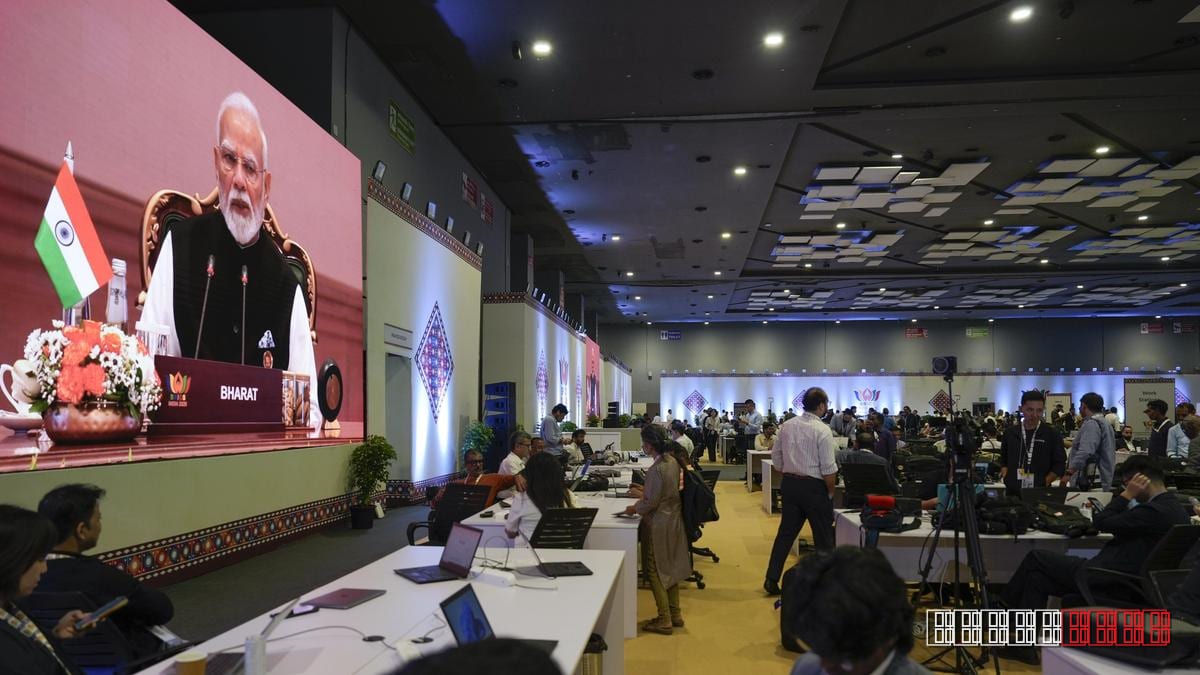
Prime Minister Narendra Modi announced at the close of the opening day that the BRICS members had adopted a joint statement, the New Delhi Declaration, with unanimous agreement, according to The Hindu. The declaration was presented after two days of deliberations in New Delhi, marking the first time the bloc has convened a summit on Indian soil.
The New Delhi Declaration outlines a broad agenda covering trade facilitation, digital cooperation, and climate resilience. While the full text was not released immediately, officials indicated that the document reaffirms the group’s commitment to multilateralism and to expanding intra‑BRICS investment flows. Modi emphasized that the consensus reflects “shared aspirations for inclusive growth and sustainable development,” a sentiment echoed by leaders from Brazil, Russia, China, and South Africa.
BRICS – an association of Brazil, Russia, India, China and South Africa – was formed in 2009 to provide a platform for emerging economies to coordinate on global issues. Since its first summit in 2011, the group has issued annual communiqués that signal collective positions on trade, finance, and geopolitics. The joint statements are often seen as a barometer of the bloc’s cohesion, especially as members navigate divergent national interests and external pressures.
India’s role as host this year carries symbolic weight. New Delhi has sought to position itself as a bridge between the Global South and established powers, leveraging the summit to showcase its own economic reforms and digital initiatives. Analysts note that the New Delhi Declaration could serve as a template for future cooperation, particularly in areas where the bloc aims to reduce reliance on Western financial systems and to promote technology sharing.
The summit will reconvene on the second day for final negotiations and a signing ceremony. Observers expect the declaration to be referenced in upcoming BRICS finance meetings and in bilateral talks among the members. The consensus achieved on the first day suggests a smoother path toward concrete policy actions, though the effectiveness of the declaration will depend on each country's domestic implementation.
The Hindu reported that the adoption was achieved without any dissent, underscoring the diplomatic coordination that has become a hallmark of recent BRICS gatherings.
This report is based on original reporting by The Hindu. Read the original source →