Centennial Belagavi Home Revamped as Cutting‑Edge Music Studio
The Paranjape family's 100‑year‑old house in Belagavi has been repurposed into a high‑tech recording space while preserving its historic charm.
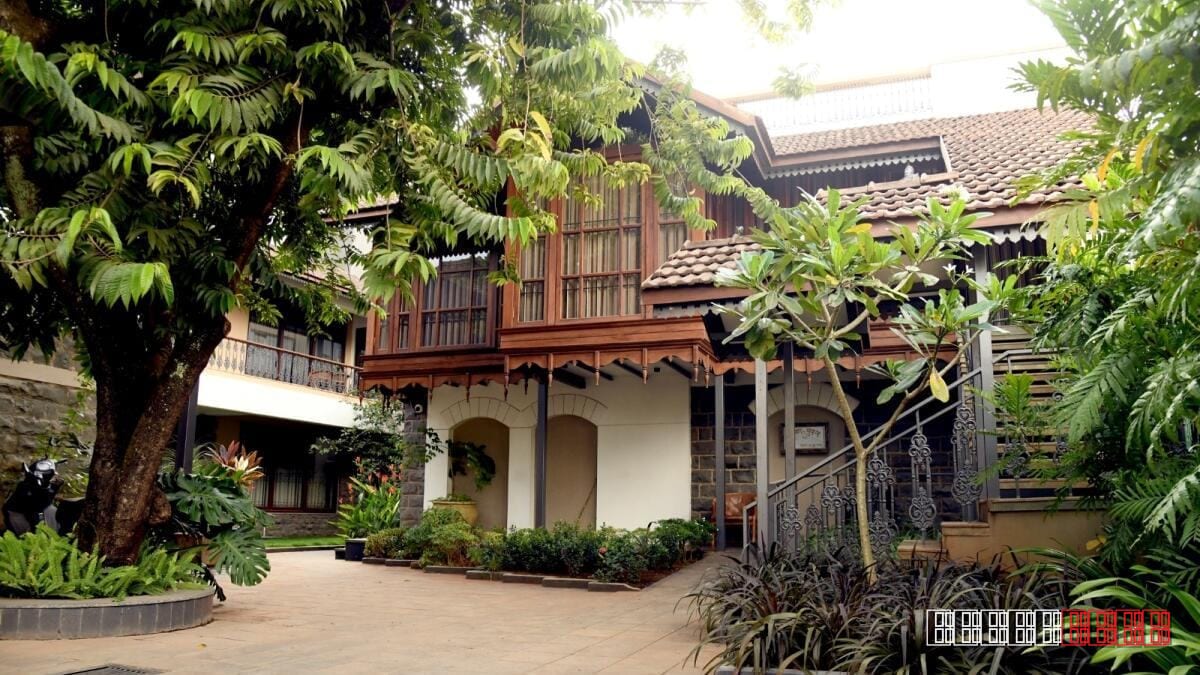
A house that has stood for a century in Belagavi, Karnataka, and long served as the Paranjape family’s ancestral residence, is now home to a state‑of‑the‑art music studio, according to The Hindu. Built around the early 1920s, the two‑storey structure showcases typical colonial‑era timber work and a spacious courtyard that once hosted family gatherings.
The renovation retained the original façade, wooden beams and ornamental brackets, but the interior was fitted with acoustic panels, digital mixing consoles and a sound‑proof recording booth. The owners say the studio aims to provide local musicians with professional‑grade facilities that were previously only available in larger metropolitan centres.
Belagavi, historically known as Belgaum, has a rich architectural legacy that includes British‑era public buildings and traditional Maratha mansions. In recent years, Karnataka’s heritage bodies have encouraged owners of aging properties to adapt them for contemporary uses rather than let them fall into disrepair. Similar projects—such as the conversion of a 19th‑century bungalow in Mysore into an art gallery—illustrate a growing trend of marrying preservation with cultural entrepreneurship.
The decision to house a music studio within the Paranjape home reflects a broader shift in India’s creative economy. Advances in recording technology have lowered entry barriers, prompting artists to seek venues outside the usual urban hubs. By situating a modern studio in a historic setting, the project not only safeguards the building’s structural integrity but also injects new artistic activity into the neighbourhood, offering aspiring singers and producers a platform close to home.
While the house’s external appearance remains a reminder of Belagavi’s past, its interior now resonates with contemporary sounds, symbolising how heritage can be dynamically repurposed. The initiative underscores the potential for private stewardship to complement public conservation efforts, ensuring that historic homes remain lived‑in and relevant for future generations.
This report is based on original reporting by The Hindu. Read the original source →