Coalition of Twenty Nations Calls for International AI Oversight Agency
Germany, South Africa, Canada and other states urge creation of a global body to set and enforce AI safety standards.
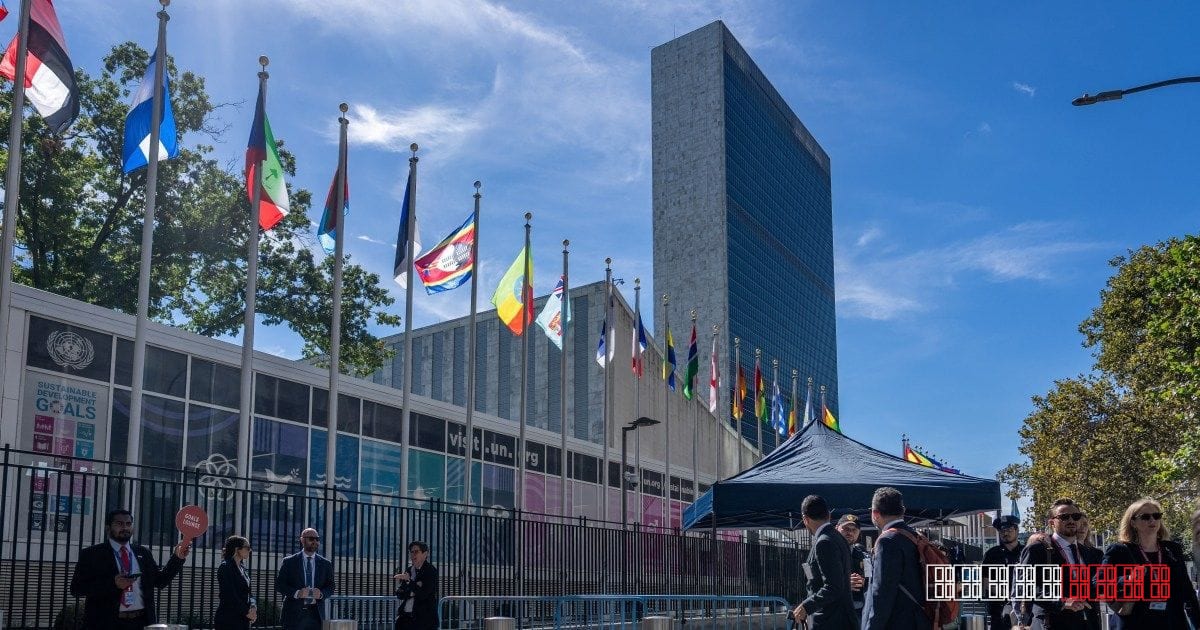
Twenty countries have joined forces to propose the establishment of a worldwide institution tasked with supervising artificial‑intelligence systems, Al Jazeera reported. The coalition, which includes Germany, South Africa and Canada, argues that a dedicated body would be able to set uniform safety standards and ensure they are enforced across borders.
The proposal comes at a time when AI technologies are being deployed in sectors ranging from finance to healthcare, often outpacing existing national regulations. Proponents say that without a coordinated framework, divergent national rules could create loopholes that manufacturers and developers might exploit, raising the risk of unintended harms.
In a joint statement, the participating governments highlighted three core functions for the envisaged agency: drafting globally accepted technical standards, monitoring compliance through audits, and imposing penalties for violations. They also called for the body to be empowered to intervene when AI systems pose systemic threats, such as destabilising financial markets or facilitating large‑scale misinformation campaigns.
The idea of a global AI watchdog is not new. The European Union rolled out its AI Act in 2024, aiming to regulate high‑risk AI within its member states, while the United Nations held its first high‑level forum on AI governance in 2023. However, those efforts have been limited to regional or multilateral settings. A truly universal authority would, supporters argue, close the regulatory gaps that have emerged as AI tools become more sophisticated and widely accessible.
Critics caution that establishing such an institution could be fraught with political challenges, especially regarding jurisdiction, funding and the balance between innovation and control. Nevertheless, the coalition believes that the potential benefits—preventing AI‑driven accidents, protecting democratic processes and safeguarding human rights—outweigh the hurdles.
If the proposal gains traction, the next step would involve negotiations within the United Nations framework to define the agency’s mandate, governance structure and financing model. Success could set a precedent for how the international community manages other emerging technologies that transcend national borders.
This report is based on original reporting by Al Jazeera. Read the original source →