Cuddalore launches clean‑up drive as officials check dengue safeguards
The district collector toured Cuddalore's neighborhoods, urging residents to eliminate standing water and clean tanks to prevent a dengue surge.
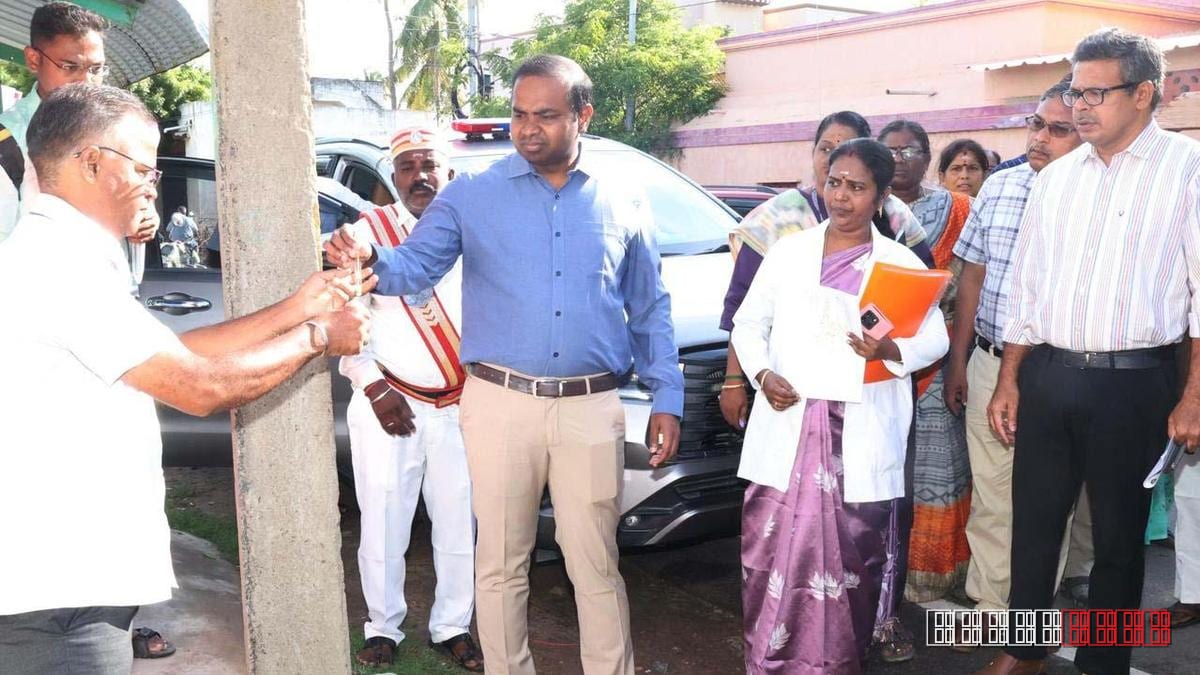
The district collector of Cuddalore district conducted a field inspection of dengue‑prevention activities on Thursday, according to The Hindu. The visit focused on households and public spaces where stagnant water could serve as breeding sites for the Aedes mosquito, the vector responsible for dengue fever.
During the inspection, officials reminded residents to discard any unwanted objects that can collect rainwater, to keep household items dry, and to clean overhead water tanks at least once a week. The collector emphasized that regular maintenance of these containers can dramatically reduce mosquito proliferation, a message echoed by health workers who have been distributing leaflets across the town.
"If we all keep our surroundings clean, we can break the transmission cycle," a senior health officer told locals, adding that the district has already set up additional fogging teams to target high‑risk zones. The Hindu noted that the collector’s tour is part of a broader state‑wide effort to curb dengue cases ahead of the monsoon season, when water‑logging typically spikes.
Dengue fever has become a recurring public‑health challenge in Tamil Nadu, with the state reporting thousands of cases each year, especially after heavy rains. The disease spreads when infected mosquitoes bite humans, and symptoms range from high fever to severe hemorrhagic complications. In recent years, the state government has launched campaigns that combine community awareness, source reduction, and targeted insecticide spraying. Health experts stress that community participation is critical; without collective action to eliminate breeding sites, chemical measures alone have limited impact.
Local authorities have also set up a rapid response cell to monitor reported cases and coordinate medical support. Hospitals in Cuddalore have been instructed to report any suspected dengue patients promptly, enabling early isolation and treatment. The combined approach of surveillance, public education, and environmental management aims to keep the upcoming dengue season under control.
Residents are encouraged to report any stagnant water sources to the district health office and to participate in weekly neighborhood clean‑up drives organized by volunteers. By adhering to these preventive steps, the community hopes to avoid a repeat of the severe outbreaks that have strained health resources in previous years.
This report is based on original reporting by The Hindu. Read the original source →