EU Opens Associate Membership Track for Canada as US Trade Friction Grows
Ursula von der Leyen announced the bloc’s intention to let Canada become its first associate member, deepening economic ties amid heightened US‑Canada trade disputes.
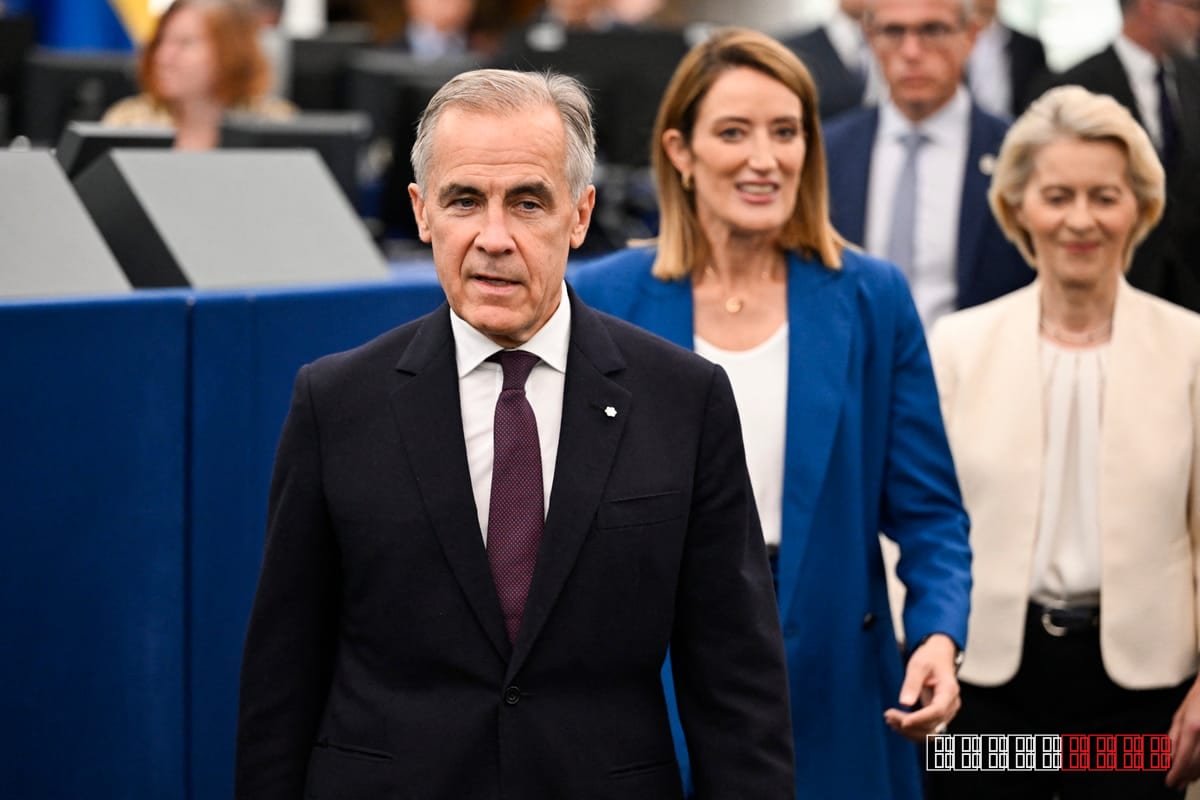
European Commission President Ursula von der Leyen told reporters that the EU is ready to extend an associate‑member invitation to Canada, marking the first time the bloc would grant such a status to a non‑European country. The move, reported by CNBC, is intended to tighten economic cooperation at a time when trade relations between the United States and Canada have become strained under President Donald Trump’s tariff agenda.
Associate membership differs from full accession; it offers a structured framework for policy alignment, regulatory cooperation and preferential market access without the full obligations of EU membership. So far, the EU has used similar arrangements with countries such as Norway and Iceland under the European Economic Area, but Canada would be the inaugural associate partner outside Europe. The proposal would likely involve a negotiated set of sector‑specific agreements covering goods, services, digital trade and standards.
Canada and the EU already share a robust trade relationship, highlighted by the Comprehensive Economic and Trade Agreement (CETA) that provisionally entered into force in 2017. CETA eliminates most tariffs on bilateral trade and establishes common rules for investment and procurement. By moving toward associate membership, both sides hope to expand those gains, creating a more resilient supply chain that can weather external shocks, including the current US‑Canada trade tensions.
The timing of the invitation coincides with President Trump’s recent escalation of tariffs on Canadian steel and aluminum, as well as broader disputes over dairy and agricultural products. Analysts suggest that the EU’s outreach may serve as a strategic hedge for Canada, offering an alternative market and regulatory alignment that could offset potential losses from the American trade war.
If the associate‑member framework is finalized, it would require ratification by both the European Parliament and Canada’s federal government. The process could take several years, but the announcement signals a clear political will to deepen transatlantic ties and diversify trade partnerships beyond the United States.
According to CNBC, von der Leyen emphasized that the initiative reflects a “major deepening of ties” and underscores the EU’s commitment to a rules‑based global trading system at a moment when protectionist pressures are rising worldwide.
This report is based on original reporting by CNBC. Read the original source →