Former RBI Governor Credits UPI with Boosting India's Financial Inclusion
The ex-governor says the Unified Payments Interface has reshaped access to banking services across the country.
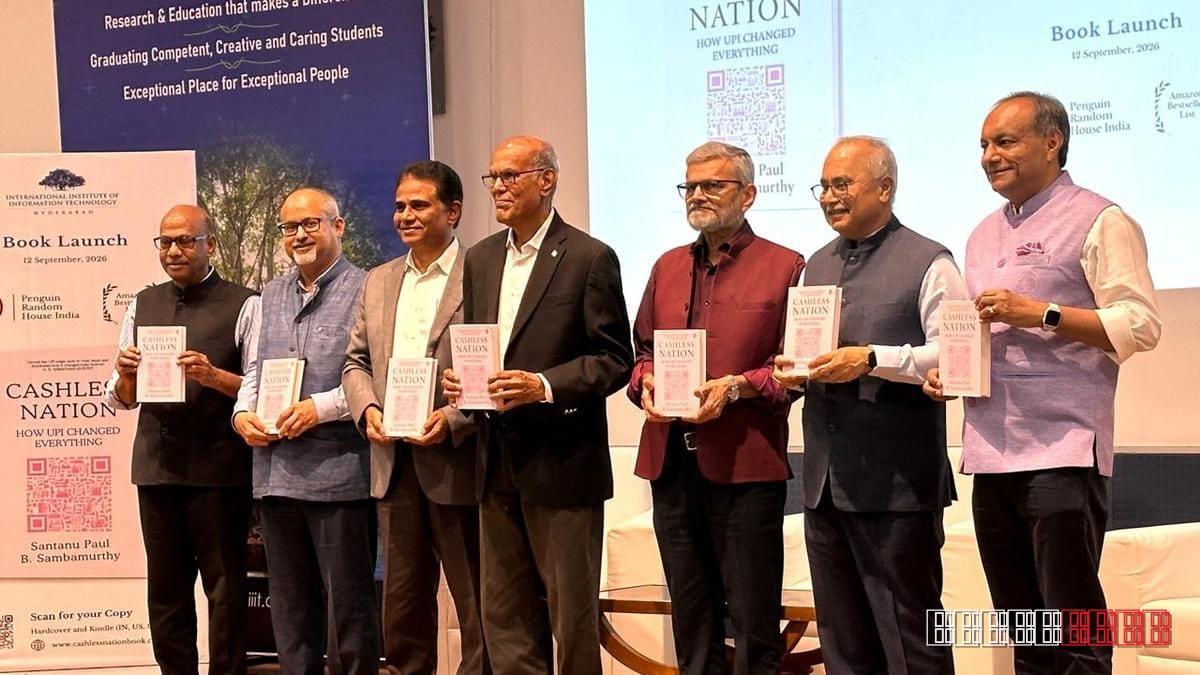
Former Reserve Bank of India governor Raghuram Raj an told reporters that the Unified Payments Interface (UPI) has fundamentally altered the landscape of financial inclusion in India, according to The Hindu. He emphasized that the platform’s open‑architecture and instant settlement have drawn millions of previously unbanked citizens into the formal financial system.
The former governor highlighted that UPI’s low‑cost, smartphone‑driven model enables even small‑town merchants and daily‑wage earners to receive payments without a traditional point‑of‑sale terminal. By removing the need for cash handling, he noted, the system has helped curb informal transactions and improved tax compliance.
UPI was introduced by the National Payments Corporation of India in 2016 as a unified, interoperable payment gateway for banks and fintech firms. Within a few years, it surpassed legacy card networks in transaction volume, handling billions of payments each month. The platform’s simplicity—users need only a virtual payment address linked to a bank account—has driven its rapid diffusion among rural and semi‑urban populations, many of whom previously relied on cash or limited banking windows.
Analysts attribute the surge in inclusion to several policy levers: the government’s push for digital payments, the rollout of low‑cost smartphones, and the expansion of internet connectivity under the Digital India programme. As a result, government subsidies, direct benefit transfers, and pension payments now flow through UPI, reducing leakages and ensuring that funds reach intended recipients faster.
Despite the progress, challenges remain. Cybersecurity threats, the need for robust grievance redressal, and ensuring that the elderly and illiterate users can navigate the app safely are ongoing concerns. The RBI and NPCI are working on UPI 2.0 enhancements—such as overdraft facilities and invoice‑based payments—to deepen the ecosystem’s utility.
The former governor’s endorsement underscores how a technology‑first approach can accelerate socioeconomic goals. With UPI continuing to expand its reach, policymakers view it as a cornerstone for India’s broader digital economy agenda.
This report is based on original reporting by The Hindu. Read the original source →