Grand jury declines to file charges in Mississippi teen's boating death
A Mississippi grand jury found no criminal liability in the 2023 death of 17‑year‑old Nolan Wells after he left a boat with three white men.
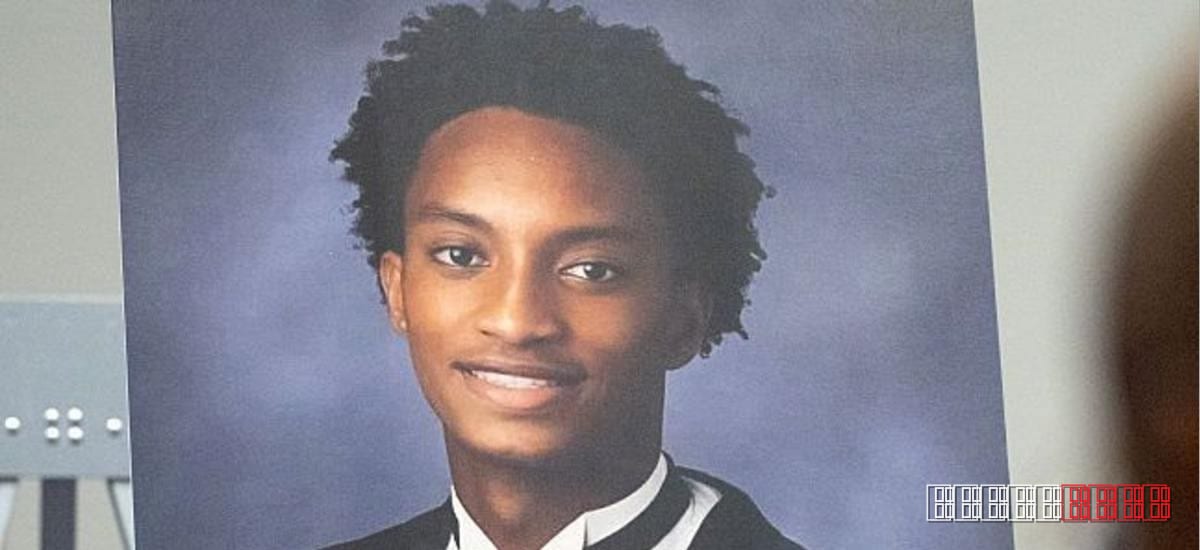
A Mississippi grand jury has concluded that no criminal charges will be filed in the death of 17‑year‑old Nolan Wells, according to BBC News. The teenager was found dead after a night out on a boat with three young white men, an incident that sparked concerns about racial bias and the adequacy of the investigation.
Wells’ family publicly warned that the circumstances surrounding his death were suspicious, noting that he had been on the water with the three men before he was discovered dead. The grand jury’s decision, delivered in a closed session, means the case will not proceed to trial, leaving the family without legal recourse.
The decision arrives amid a broader national conversation about how grand juries handle cases involving Black victims, especially in the South where historical patterns of racial disparity in the criminal justice system persist. Legal experts note that grand juries, which operate without a judge or defense counsel present, often rely heavily on the prosecutor’s presentation of evidence, which can influence outcomes.
Mississippi has faced scrutiny in recent years for its handling of high‑profile cases involving race, most notably the 2020 murder of George Floyd and the 2022 death of a Black teenager in a police custody incident. Advocacy groups argue that the lack of charges in Wells’ case may reinforce community distrust of law‑enforcement and judicial processes.
The family of Nolan Wells has said they will continue to seek answers, potentially pursuing civil litigation or calling for an independent investigation. Their request for transparency reflects a growing trend among families of Black victims who feel that conventional criminal proceedings do not always deliver justice.
While the grand jury’s ruling closes the criminal avenue, the case remains a focal point for discussions about systemic reform, the role of grand juries, and the need for equitable treatment under the law.
This report is based on original reporting by BBC News. Read the original source →