House Freedom Caucus Grapples with Identity as GOP Looks Beyond Trump
Members of the conservative caucus weigh new strategies and leadership as the party confronts a post‑Trump future.
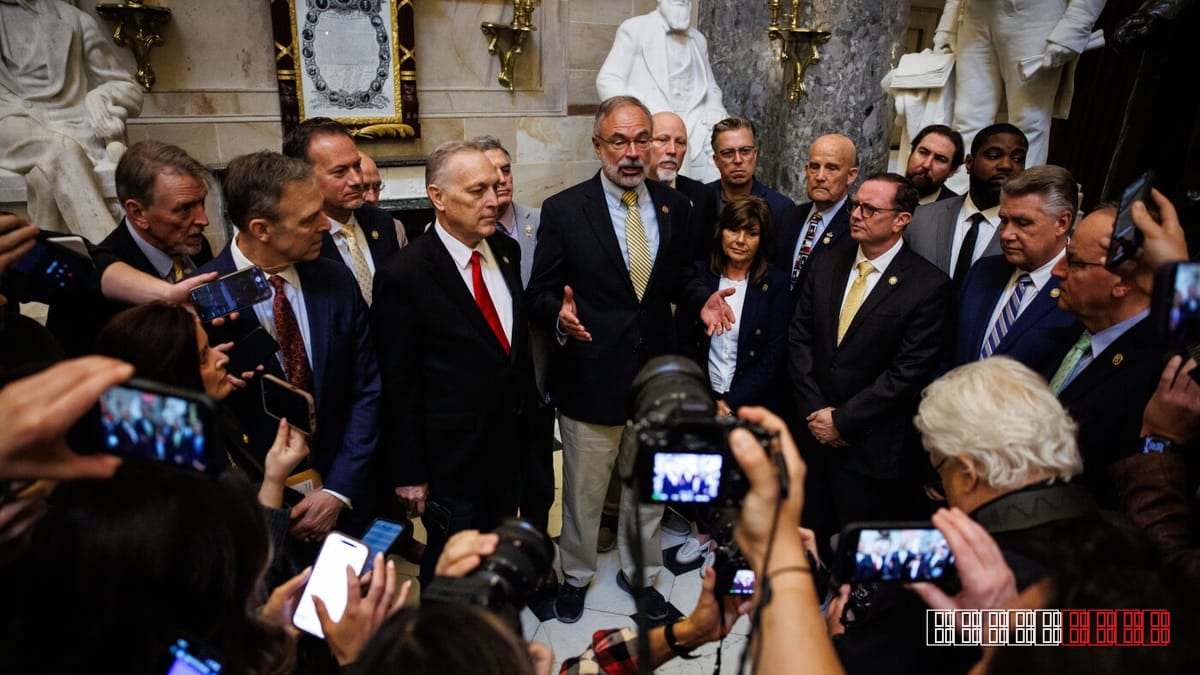
The House Freedom Caucus, long seen as the most hard‑line faction within the Republican ranks, is at a crossroads. According to NPR, the group that surged in influence during President Donald Trump’s tenure is now debating how to position itself in a political landscape where the former president’s grip on the party appears to be loosening.
Caucus insiders say internal meetings have focused on whether to double down on the ultra‑conservative agenda that helped them secure key committee seats, or to broaden their appeal to a wider GOP base that may be wary of perpetual conflict with the White House. Some members argue that clinging to a “Trump‑first” identity could marginalize the caucus as new Republican leaders emerge, while others warn that abandoning that brand risks alienating the grassroots activists who propelled the group to prominence.
The debate comes as the Freedom Caucus faces its first leadership turnover in years. Veteran members who rose to national attention during the 2015 budget showdown and the 2018 ouster of Speaker Paul Ryan are stepping aside, making room for younger representatives who have not been directly shaped by the Trump era. These newcomers are reportedly pushing for a more pragmatic approach to legislation, hoping to secure policy wins without the constant brinkmanship that defined recent congressional sessions.
Background: The Freedom Caucus was founded in 2015 by a handful of insurgent conservatives seeking to shift the House Republican agenda further to the right. Its members have been instrumental in forcing budget cuts, opposing bipartisan infrastructure bills, and shaping the party’s stance on immigration and election integrity. Historically, the caucus has leveraged its small size to punch above its weight, often acting as a kingmaker in leadership contests. The group’s alignment with Trump amplified its media profile, as the former president frequently echoed its demands and rallied its supporters during primary battles.
Looking ahead, political analysts note that the caucus’s next moves could signal the broader direction of the GOP. If the Freedom Caucus adopts a more flexible stance, it may help the party regain legislative traction in a divided Congress. Conversely, a continued hard‑line posture could entrench partisan gridlock, especially as upcoming midterm elections test the durability of Trump‑aligned politics. The outcome of these internal discussions will likely shape not only the caucus’s future but also the strategic calculus of Republican leaders nationwide.
NPR’s coverage underscores that the Freedom Caucus’s evolution is emblematic of a party wrestling with its identity after a decade dominated by a singular, polarizing figure. As the caucus charts its path, the stakes extend beyond its own halls, influencing the legislative agenda and electoral prospects of the Republican Party as a whole.
This report is based on original reporting by NPR. Read the original source →