How 9/11’s 25‑Year Legacy Still Shapes Global Politics and Security
A look at the 25 ways the 2001 attacks continue to influence the world, from security reforms to geopolitical shifts, as noted by the Times of India.
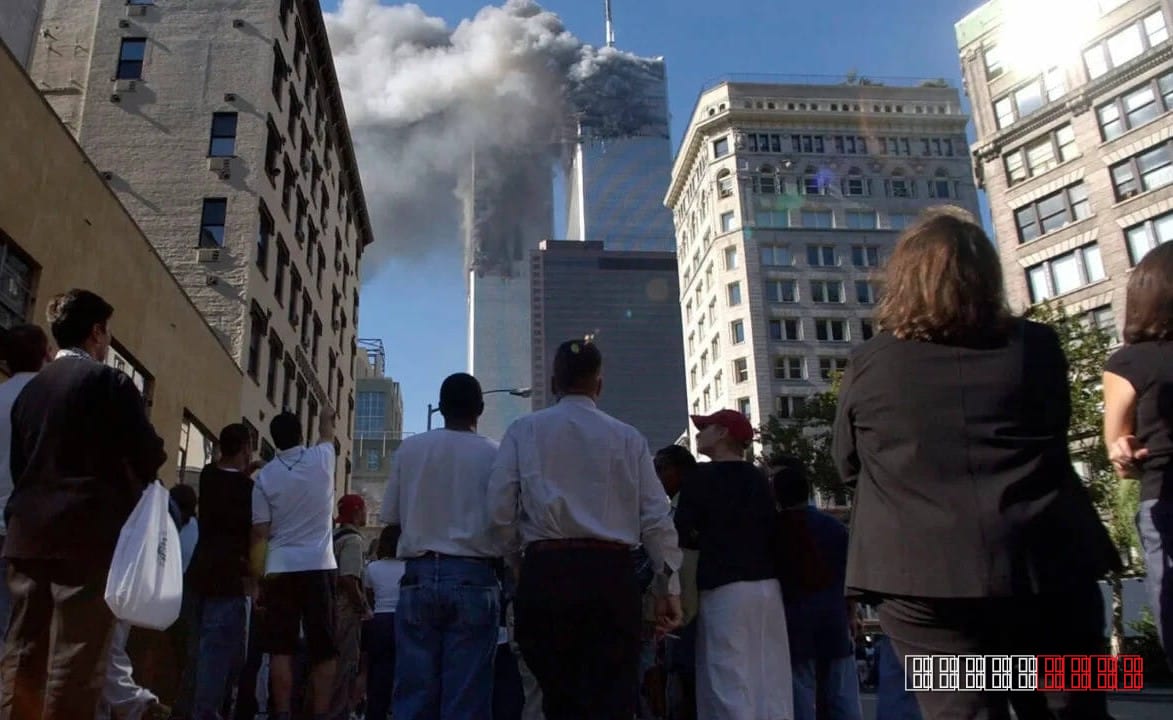
Twenty‑five years after the September 11 attacks, the Times of India catalogued a list of 25 lasting impacts that still reverberate across continents. The article notes that the attacks spurred the creation of the U.S. Department of Homeland Security, overhauled airport screening, and accelerated the adoption of biometric technologies in travel hubs worldwide. It also highlights the birth of the “War on Terror,” which led to prolonged military engagements in Afghanistan and Iraq, reshaping U.S. foreign policy for a generation.
Beyond the United States, the attacks triggered a wave of legislation aimed at counter‑terrorism. Nations tightened surveillance powers, introduced stricter data‑retention laws, and expanded intelligence sharing. According to the Times of India, the rise of extremist groups such as ISIS can be traced to the power vacuums and sectarian tensions that followed the 2001 invasions, illustrating how one event can set off a cascade of geopolitical realignments.
The ripple effects reached South Asia as well. India, already grappling with homegrown militancy, intensified its security cooperation with Washington. Joint exercises, intelligence exchanges, and a shared focus on maritime security in the Indian Ocean have become cornerstones of the bilateral relationship. The Times of India points out that the attacks also heightened scrutiny of diaspora communities, prompting both nations to balance security concerns with civil liberties.
For the average traveler, the changes are visible at every checkpoint. The introduction of the TSA, the ubiquitous presence of body scanners, and the requirement for full‑length liquid restrictions are direct legacies of 9/11. In the digital realm, the attacks accelerated the growth of surveillance technologies, prompting ongoing debates about privacy versus safety that continue to dominate policy discussions.
The broader cultural impact is equally profound. Media coverage of terrorism shifted toward real‑time reporting, while the narrative around Islam in the West became increasingly fraught. The Times of India notes that these shifts have influenced public opinion, electoral politics, and even artistic expression worldwide.
Understanding the 25 ways identified by the Times of India helps frame why 9/11 remains a reference point for security, diplomacy, and societal attitudes. As governments grapple with new threats—from cyber‑attacks to pandemics—the lessons of that day continue to inform how nations balance freedom, safety, and international cooperation.
This report is based on original reporting by Times of India. Read the original source →