India hosts BRICS summit as global conflicts strain the bloc
New Delhi welcomes leaders of Brazil, Russia, China and South Africa while the group grapples with wars and rising U.S. pressure.
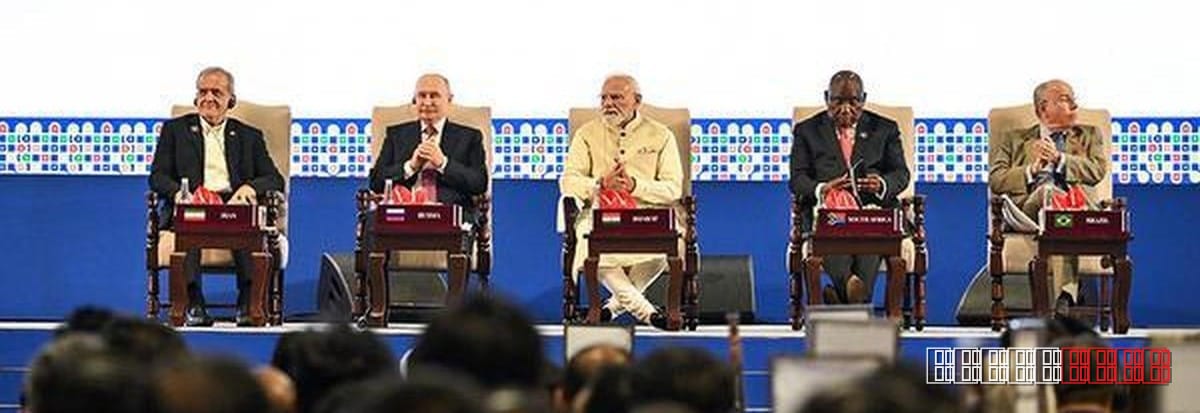
New Delhi became the focal point of global diplomacy this week as heads of Brazil, Russia, India, China and South Africa gathered for the BRICS summit, the first such meeting on Indian soil. According to The Hindu, the five‑nation forum convened in the capital to review economic cooperation, discuss security challenges and chart a collective response to a world increasingly divided by conflict.
The summit agenda was dominated by the fallout from two major wars – the ongoing war in Ukraine and the protracted conflict in the Middle East – and by mounting friction between the United States and China. Leaders exchanged statements that underscored the bloc’s desire to remain a “force for multipolarity,” yet the divergent interests of member states were evident. Russia’s foreign minister warned of “Western sanctions” while China’s president called for “respect for sovereignty,” and India’s prime minister emphasized the need to “balance strategic partnerships” across the spectrum.
India’s diplomatic choreography was on full display. As The Hindu noted, the summit highlighted New Delhi’s effort to keep close ties with Moscow and Tehran while simultaneously deepening its engagement with Washington and European capitals. This tightrope walk reflects India’s broader foreign‑policy goal of securing energy supplies, defence cooperation and technology transfers without alienating any major power.
Founded in 2009 as a coalition of emerging economies, BRICS has evolved into a platform that seeks to reshape global financial architecture and present an alternative to Western‑led institutions. The group’s recent expansion to include six new members – Argentina, Egypt, Ethiopia, Iran, Saudi Arabia and the United Arab Emirates – has amplified both its potential influence and internal complexity. India, which joined the bloc in 2016, now chairs the summit, giving it a chance to steer discussions on trade, development finance and climate action.
Analysts say the outcomes of the New Delhi meeting could affect everything from the future of the New Development Bank to the bloc’s stance on sanctions against Russia. If BRICS can present a united front, it may bolster the bargaining power of its members in negotiations with the United States and the European Union. Conversely, persistent disagreements could expose the limits of the coalition’s cohesion.
The summit concluded with a communiqué that reaffirmed commitment to “peaceful resolution of conflicts” and called for “greater cooperation in science, technology and sustainable development.” Observers will watch closely how these pledges translate into concrete policies, especially as the world navigates an uncertain geopolitical landscape.
This report is based on original reporting by The Hindu. Read the original source →