India vows energy security amid looming 100% U.S. tariff threat
New Delhi says it will safeguard power supplies as Washington considers a full‑scale duty on Indian exports.
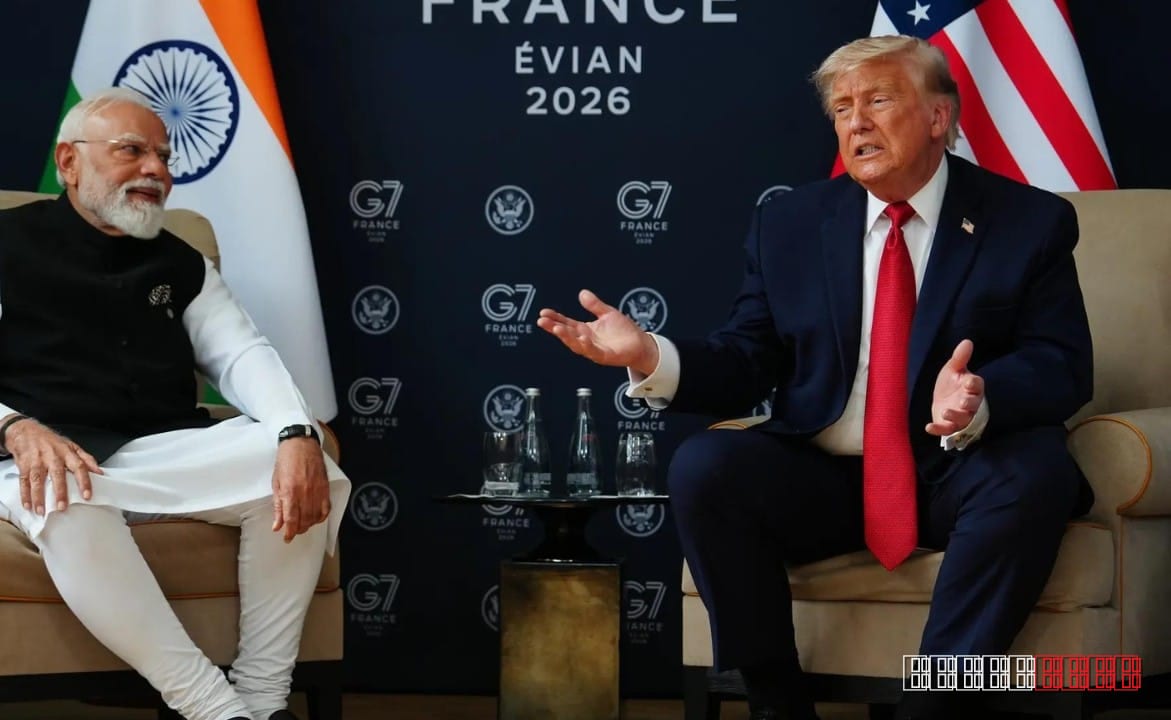
New Delhi has reiterated its commitment to protecting the nation’s energy supply after reports that the United States could impose a 100% tariff on certain Indian products, Times of India reported. The Indian government described the move as a potential challenge to bilateral trade but emphasized that its energy‑security strategy remains unchanged.
The proposed duty, announced by the Trump administration, targets a range of Indian exports that the U.S. claims are subsidised. While the exact categories have not been disclosed, analysts suggest the measure could affect steel, aluminium and renewable‑energy components, sectors that are integral to India’s infrastructure development.
In response, the Ministry of Power said it is reviewing the impact and will accelerate ongoing projects aimed at diversifying energy sources. “Our priority is to ensure uninterrupted power for households and industry,” a senior official told the press, according to Times of India. The ministry also hinted at fast‑tracking renewable‑energy targets, which aim to meet 450 GW of capacity by 2030.
Background context India imports roughly 20% of its oil and gas needs, making it vulnerable to global price swings and external trade policies. Over the past decade, the government has pursued a dual approach: expanding domestic production of coal and hydrocarbon resources while heavily investing in solar, wind and nuclear power. The country’s renewable‑energy push is part of its broader ambition to cut carbon emissions and reduce reliance on imported fuels. Trade frictions with the United States have surfaced before, notably during the 2018 steel and aluminium tariffs, prompting New Delhi to seek alternative markets and bolster self‑sufficiency.
Experts say a 100% tariff would raise costs for Indian manufacturers that rely on U.S. technology or components, potentially slowing down projects such as solar‑panel factories and wind‑turbine assembly lines. However, they also note that India’s growing domestic supply chain could mitigate some of the impact.
The situation underscores the delicate balance between geopolitical trade actions and a country’s internal energy agenda. As negotiations continue, India’s focus on expanding renewable capacity and securing strategic petroleum reserves is expected to remain a cornerstone of its policy, ensuring that any external tariff shock does not compromise power availability for its 1.4 billion citizens.
This report is based on original reporting by Times of India. Read the original source →