Inside the UN: Who Really Holds the Power to Act?
A look at the institutional structures that determine the United Nations’ ability—or inability—to intervene in wars.
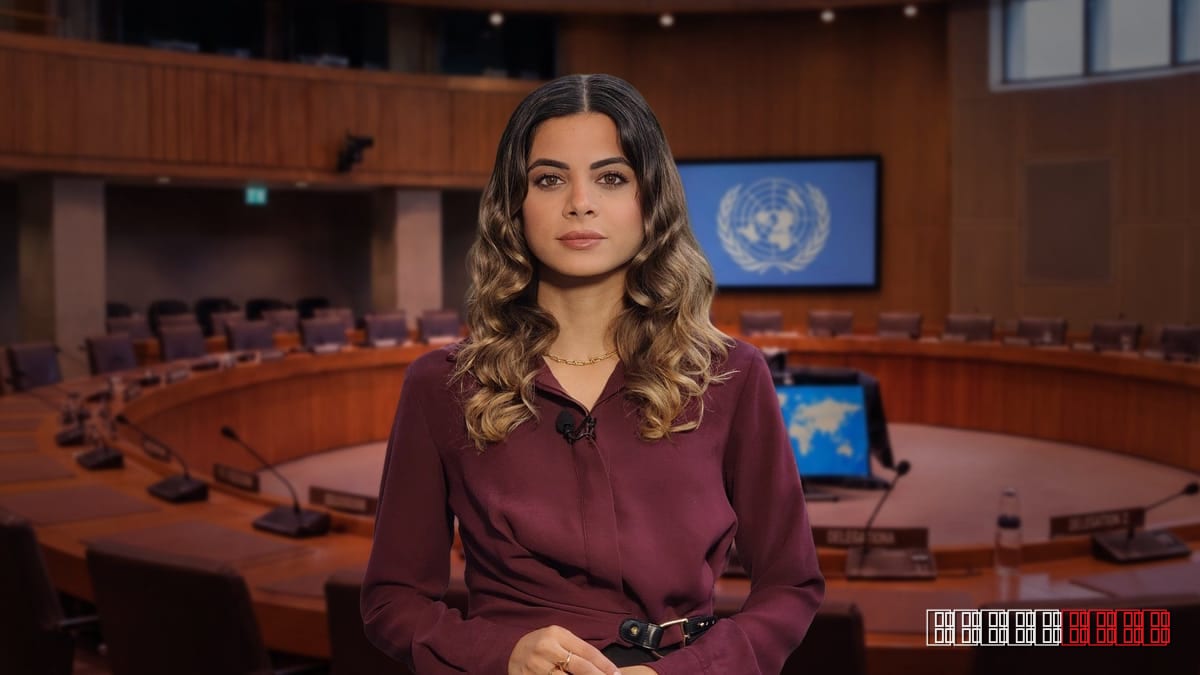
The United Nations was born in 1945 with a charter that promised collective security and the prevention of another global conflict. Yet, more than eight decades later, wars and humanitarian crises still erupt across the globe. Al Jazeera highlighted this paradox in a recent video, noting that the UN’s lofty mission often collides with the realities of its internal power balance.
At the heart of the organization lies the Security Council, the only UN body empowered to authorize the use of force, impose sanctions, or launch peacekeeping missions. As Al Jazeera reported, the five permanent members—China, France, Russia, the United Kingdom and the United States—each wield a veto that can block any substantive resolution, regardless of broader international support. This single mechanism gives a small group of states decisive control over the UN’s most consequential actions.
The General Assembly, representing all 193 member states, can pass non‑binding resolutions and shape public opinion, but it lacks the legal authority to enforce peace measures. Meanwhile, the Secretariat, led by the Secretary‑General, administers day‑to‑day operations and can mobilise diplomatic initiatives, yet its influence is largely contingent on the political will of the member states that fund it.
The veto power was embedded in the UN Charter as a compromise to secure the participation of the major Allied powers after World War II. During the Cold War, the ability to block each other’s proposals prevented the UN from becoming a tool of any single bloc, but it also created a structural dead‑lock that persists today. When permanent members have divergent interests—such as in Syria, Ukraine or Yemen—vetoes have repeatedly halted resolutions that could have authorized stronger collective action.
Because decisive measures require unanimity among the permanent five, the UN often finds itself limited to issuing condemnations, humanitarian aid or observer missions, rather than deploying forces that could end hostilities. This dynamic explains why the organization is frequently perceived as ineffective in stopping wars, despite its extensive diplomatic network and moral authority.
Calls for reform—ranging from limiting the veto to expanding the Council’s permanent membership—have grown louder in recent years. Yet any amendment to the Charter would itself need the consent of the very states that hold the veto, creating a paradox that keeps the debate alive but the structure unchanged.
This report is based on original reporting by Al Jazeera. Read the original source →