Iran Offers to Clear Hormuz Within a Week If U.S. Scales Back Military Threats
Tehran says it could restore traffic through the strategic waterway in seven days, prompting mixed reactions in U.S. markets.
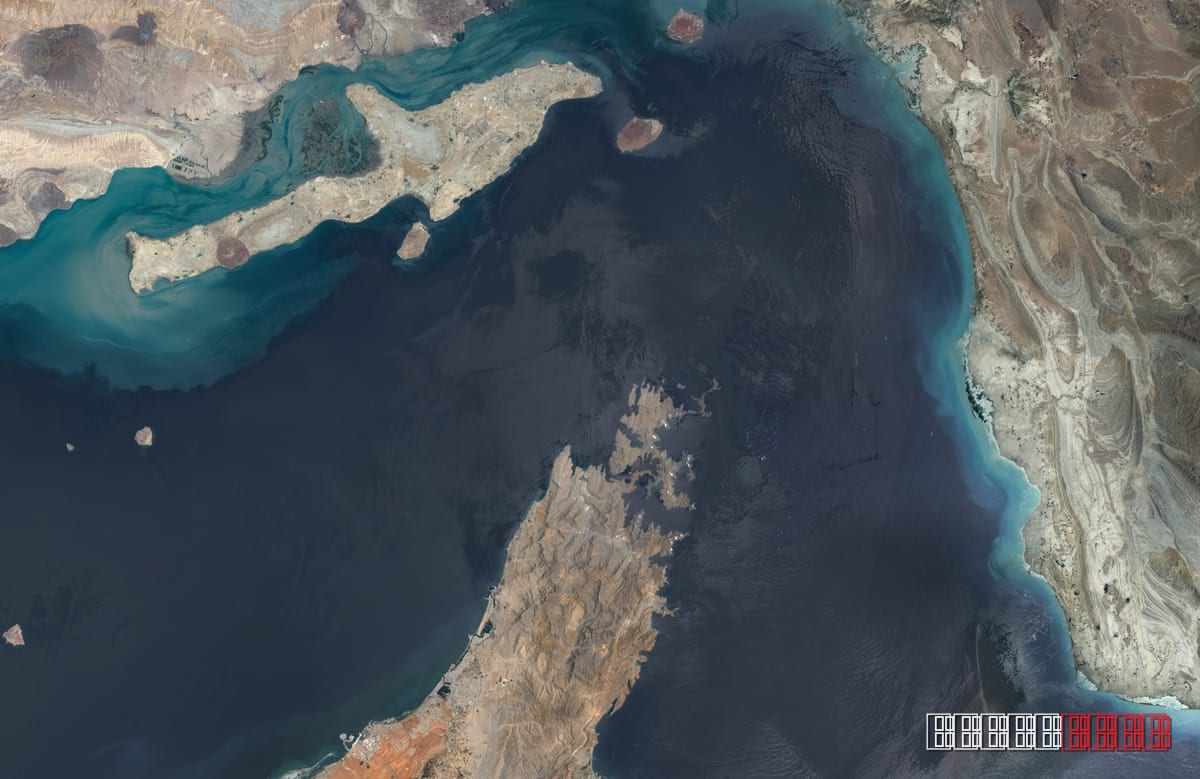
Iran has told international observers that it could reopen the Strait of Hormuz to commercial shipping within a week, provided Washington reduces its military pressure, CNBC reported. The statement, made by Iranian officials in a televised briefing, suggested that a rapid de‑escalation could restore the flow of oil and goods through the chokepoint that handles roughly a fifth of global petroleum shipments.
The prospect of a quick reopening sparked a tentative optimism among investors, with U.S. stock futures showing a split response. Some technology‑heavy indices edged higher while broader market futures remained flat, reflecting uncertainty over whether diplomatic overtures would translate into concrete policy shifts, CNBC noted. Meanwhile, crude prices slipped modestly as traders priced in the possibility of eased tensions.
The Strait of Hormuz has long been a flashpoint in U.S.–Iran relations. During the 2019–2020 period, Tehran intermittently threatened to block the passage in retaliation for sanctions, prompting a series of U.S. naval deployments and a surge in oil prices. The waterway's strategic importance means any disruption can quickly reverberate through global supply chains, prompting both sides to use it as leverage in broader negotiations over Iran’s nuclear program and regional activities.
Analysts caution that Tehran’s offer hinges on a genuine reduction in U.S. military posturing, a term that remains vague. Past attempts at de‑escalation have faltered when either side perceived the other as not honoring implicit commitments. If Washington were to pull back naval exercises or scale down missile defense drills, it could create a window for diplomatic talks, but the timing and scope of such moves are still under debate.
Regardless of the immediate market reaction, the dialogue underscores a recurring pattern: geopolitical risk in the Gulf often translates into short‑term volatility for energy markets and equity indices. Stakeholders—from shipping firms to oil refiners—watch these signals closely, as a reopened Hormuz corridor would ease shipping costs and stabilize oil benchmarks, while a renewed closure could reignite price spikes and supply concerns.
This report is based on original reporting by CNBC. Read the original source →