Odisha’s BJD Calls for Assembly Session Over New Mineral Tax Rules
The party urges a special sitting after a recent amendment to the MMDR Act, which it says curtails the state’s constitutional power to tax its mineral resources.
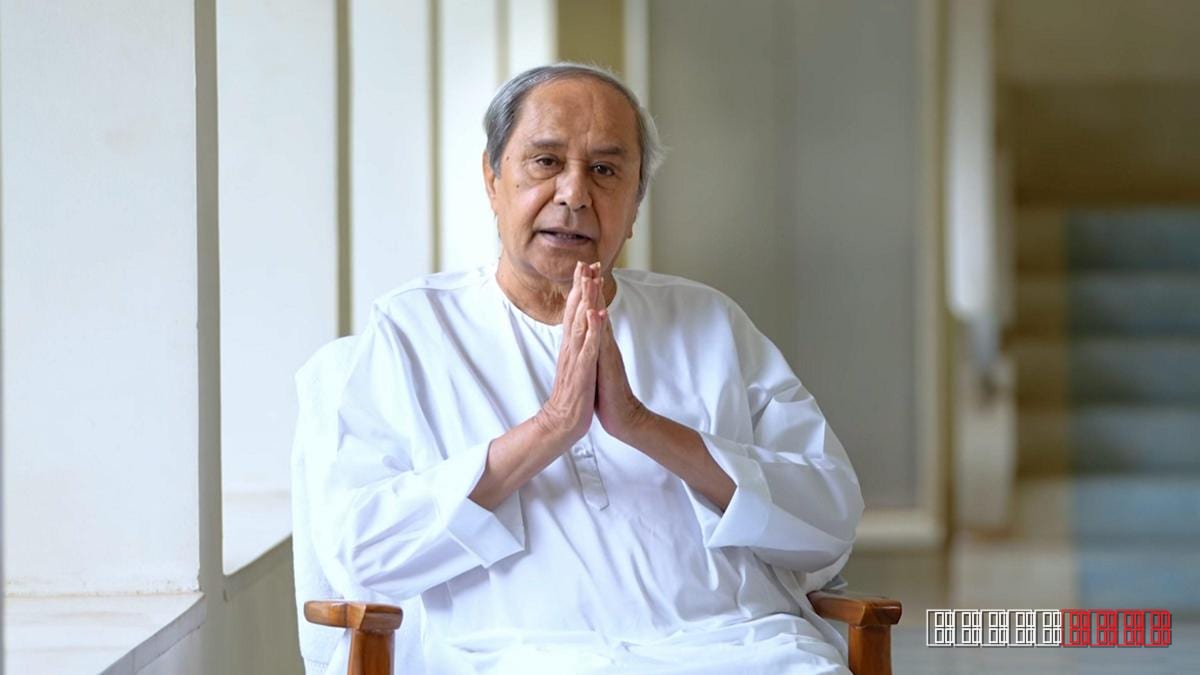
Former chief minister and Biju Janata Dal (BJD) leader Naveen Patnaik has written to Odisha’s current chief minister, Mohan Majhi, demanding a special session of the state assembly. In the letter he argues that the latest amendment to the Mines and Minerals Development and Regulation (MMDR) Act effectively robs the state of its constitutionally guaranteed right to levy taxes on mineral extraction, The Hindu reported.
Patnaik’s missive points to a specific provision that, according to the party, transfers the authority to set mineral royalties from the state to the central government. The BJD claims this shift will deprive Odisha of a crucial revenue stream, forcing it to rely more heavily on central transfers and eroding fiscal autonomy.
The MMDR Act, originally enacted in 1957, governs the exploration and extraction of minerals across India. A 2021 amendment broadened the centre’s control, allowing it to prescribe a uniform royalty rate for all states. Critics, including the BJD, contend that the change undermines the fiscal federalism envisioned by the Constitution, which permits states to tax natural resources within their territory.
Odisha is one of India’s most mineral‑rich states, accounting for a large share of the nation’s iron ore, bauxite, and coal output. Revenues from mineral royalties have traditionally funded a significant portion of the state’s budget, supporting infrastructure projects and social programmes. The loss of this income would therefore have tangible effects on public spending and development plans.
The dispute mirrors similar tensions in other mineral‑dependent states such as Jharkhand and Chhattisgarh, where state governments have also challenged the central government’s expanded role. The issue has taken on added political weight after the BJP’s strong performance in the 2024 general elections, prompting regional parties to assert their autonomy more forcefully.
Patnaik’s request for a special assembly session aims to give the legislature a platform to debate the amendment and potentially pass a resolution demanding a review of the law. While the BJP‑led centre has not yet responded publicly, the move signals an escalation that could lead to legal challenges or negotiations over revenue sharing in the coming months.
This report is based on original reporting by The Hindu. Read the original source →