Oil slips under $100 a barrel after Trump signals willingness to engage Iran
Crude prices fell on Monday as markets weighed a potential diplomatic opening and awaited Saudi shipment data amid rising Middle‑East tensions.
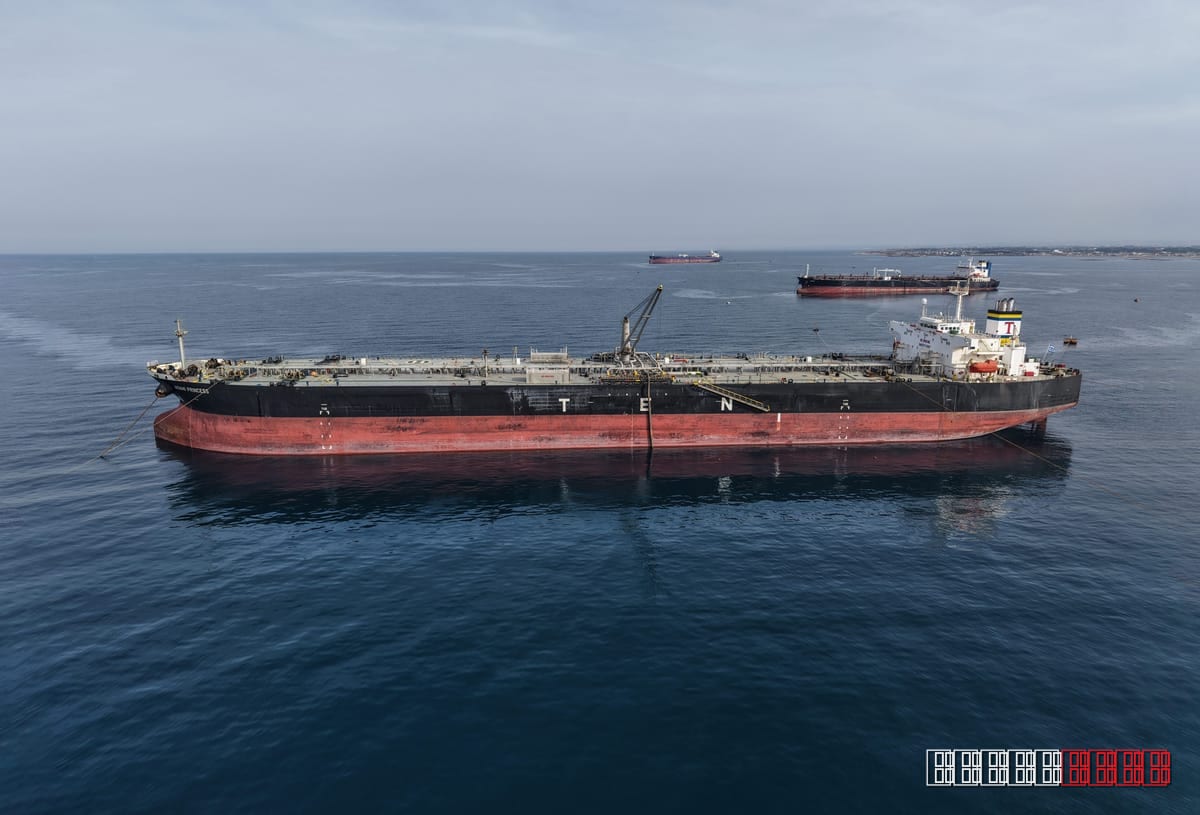
U.S. crude prices dropped below the $100‑per‑barrel mark on Monday, reacting to President Donald Trump’s comment that he was "open to talking" with Iran, CNBC reported. The remarks, made during a press briefing, hinted at a possible diplomatic thaw that could ease the geopolitical strain on oil markets.
The price decline came despite ongoing concerns about the broader security situation in the Middle East. Traders said the market is now focused on the upcoming release of Saudi Arabia’s export figures, hoping that a rebound in shipments could offset supply worries. "We’re watching the Saudi data closely," one analyst quoted by CNBC noted, adding that any sign of increased flow would likely support prices.
The backdrop to today’s move is a series of recent developments that have kept oil markets on edge. Since the U.S. withdrew from the 2015 nuclear deal in 2020, sanctions on Iran have limited its ability to sell oil, prompting Tehran to look for alternative buyers. At the same time, Saudi Arabia has been managing its output to balance global supply, occasionally curbing production to sustain higher prices. The combination of sanctions, production adjustments, and regional rivalries has made oil pricing especially volatile.
Trump’s openness to dialogue with Tehran marks a shift from the administration’s previous hard‑line stance. While no concrete negotiations have been announced, the president’s comment could signal a willingness to explore de‑escalation, which markets often interpret as a positive for demand outlook. Historically, any reduction in perceived conflict risk in the Gulf has tended to buoy crude prices, but the immediate reaction here was a modest sell‑off as traders priced in the uncertainty surrounding the potential talks.
Looking ahead, analysts expect that the next few weeks will be critical. If Saudi Arabia reports a rise in shipments and diplomatic channels between Washington and Tehran remain open, oil could regain momentum. Conversely, any escalation in regional hostilities or a reversal of the president’s diplomatic overture could push prices back up again.
The price dip underscores how closely intertwined geopolitics and energy markets remain, especially for a U.S. economy that still relies heavily on imported oil despite growing domestic production.
This report is based on original reporting by CNBC. Read the original source →