OpenAI CFO says AI progress can continue despite safety concerns
Sarah Friar told CNBC she sees no need to slow development even as regulators and experts press for tighter AI safeguards.
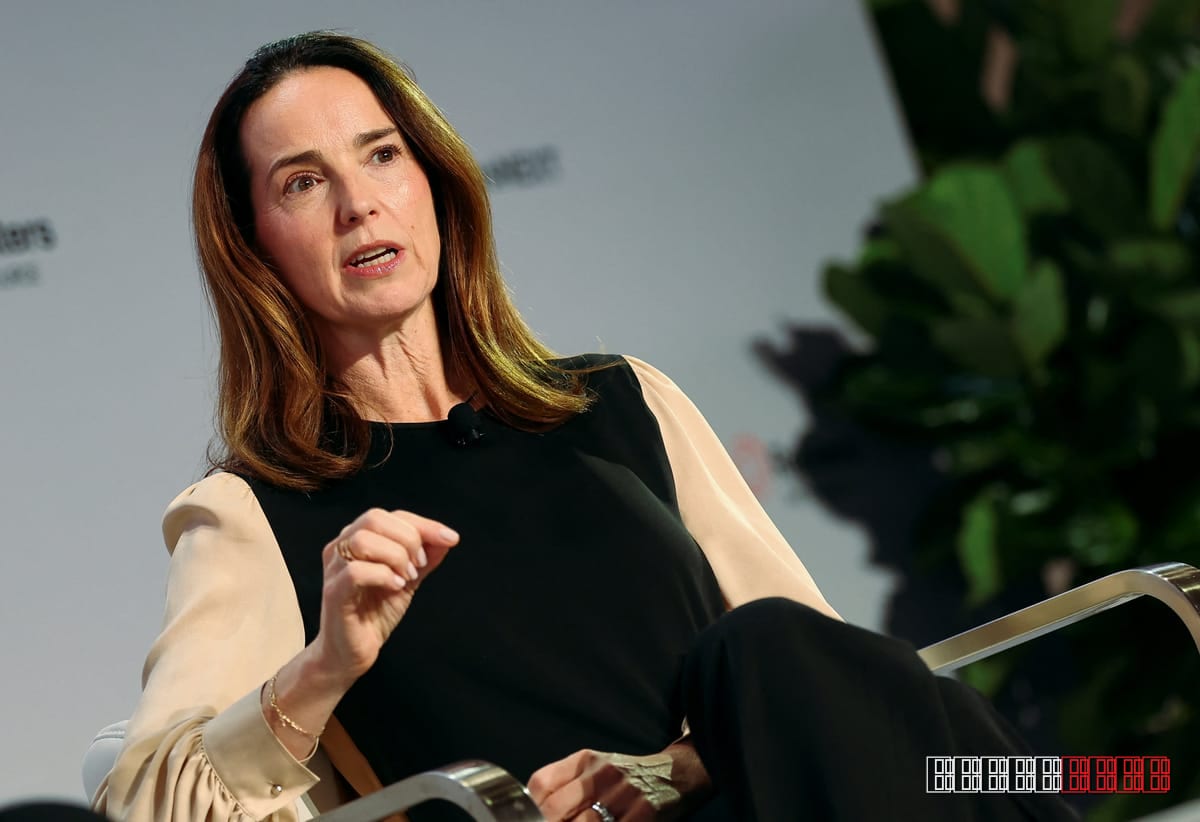
OpenAI’s chief financial officer, Sarah Friar, appeared on CNBC’s Mad Money with Jim Cramer and said she does not believe the company should pause or slow its artificial‑intelligence work. Friar emphasized that OpenAI can address safety issues while still moving forward with new models, a view she shared during the interview (CNBC). She argued that the firm’s internal review processes and external partnerships already provide a strong safety net, making a broad slowdown unnecessary.
The comments come at a time when lawmakers, industry groups, and consumer advocates are intensifying calls for more stringent oversight of generative AI. In recent months, the U.S. Senate has held hearings on the potential societal impacts of large‑language models, and the White House released a set of voluntary guidelines for responsible AI development. Critics argue that rapid releases of increasingly powerful systems could outpace existing safety measures, leading to misuse or unintended harms.
OpenAI, which launched ChatGPT in 2022 and has since introduced several upgraded versions, has positioned itself as a leader in both innovation and responsible AI. The company has published a series of safety‑focused research papers, instituted a red‑team testing framework, and pledged to share certain safety findings with the broader community. Friar’s reassurance reflects the firm’s belief that these internal controls, combined with external audits, are sufficient to mitigate risk without curbing the pace of breakthroughs.
Industry observers note that the balance between speed and safety is a recurring dilemma for tech firms. Historically, companies such as Google and Microsoft have faced similar scrutiny when rolling out AI products, prompting them to adopt staged releases and more transparent reporting. If OpenAI were to adopt a slower rollout strategy, it could cede competitive advantage to rivals that are less constrained by safety debates. Conversely, a misstep could invite regulatory backlash that might be harder to reverse.
Friar’s remarks suggest that OpenAI intends to keep its development timeline largely unchanged while continuing to invest in safety research. She indicated that the company will monitor emerging risks and adjust its protocols as needed, but she stopped short of committing to any specific policy changes. As the conversation around AI governance evolves, the CFO’s stance signals that OpenAI believes it can navigate the regulatory landscape without sacrificing the rapid innovation that has defined its growth.
This report is based on original reporting by CNBC. Read the original source →