Polls Show Lula and Flavio Bolsonaro Neck‑and‑Neck Ahead of Brazil Vote
Recent surveys indicate a statistical tie between incumbent Luiz Inácio Lula da Silva and challenger Flavio Bolsonaro as Brazil prepares for its October presidential election.
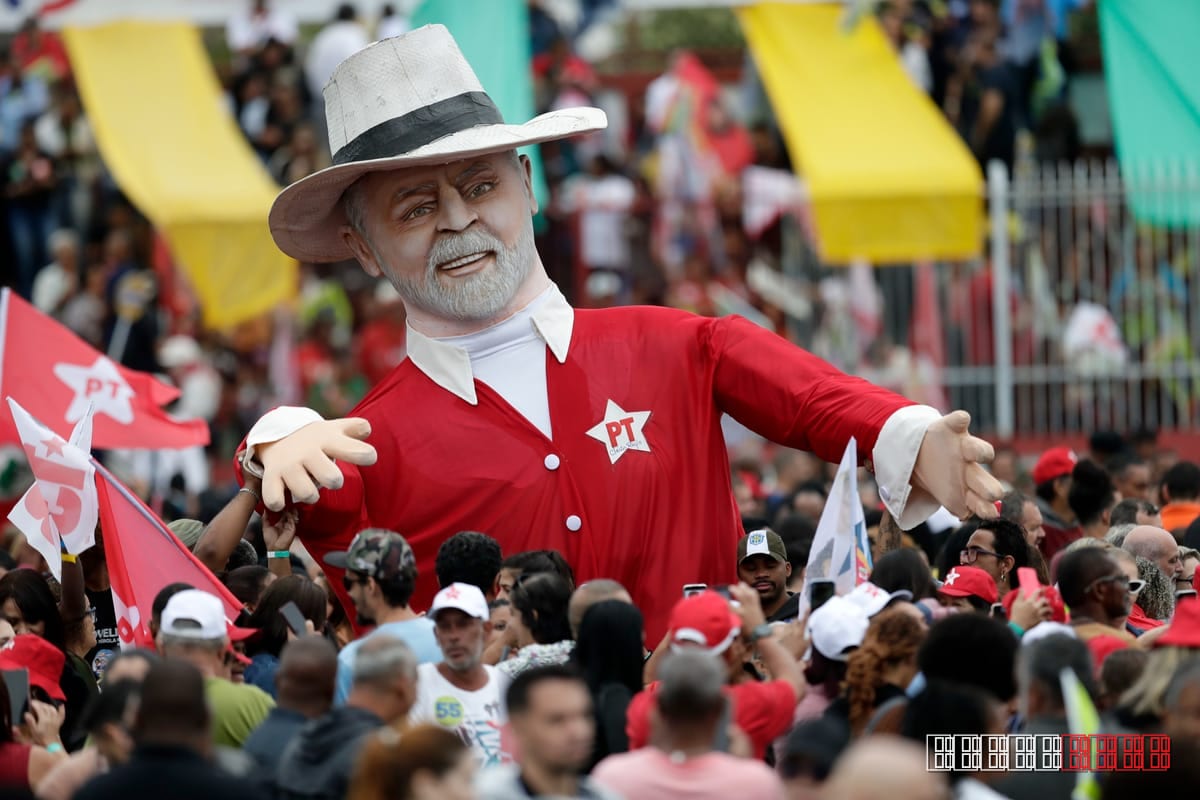
Recent polling data released by Al Jazeera suggests that former president Luiz Inácio Lula da Silva and Flavio Bolsonaro, the son of the country’s former right‑wing leader, are locked in a statistical dead heat ahead of Brazil’s October presidential ballot. The surveys, conducted in the weeks preceding the election, show both candidates hovering around the same level of voter support, underscoring the deep polarization that has come to define Brazilian politics in recent years.
Lula, who is seeking a fourth, non‑consecutive term, first held the presidency from 2003 to 2010 and returned to office in 2023 after a period of legal battles and imprisonment. His current campaign emphasizes a continuation of social programs, environmental protection, and a push to restore Brazil’s standing on the global stage. Meanwhile, Flavio Bolsonaro, a federal deputy from Rio de Janeiro, is banking on the legacy of his father’s hard‑line approach to crime and a promise to revive the economy through market‑friendly policies.
The tie in the polls reflects a broader trend of voter fatigue with the status quo and a yearning for change, a pattern observed in many democracies where incumbents face strong challenges from populist or legacy candidates. Historically, Brazil’s elections have been marked by high turnout and a competitive two‑round system, where no candidate needs an outright majority in the first round to advance. If the race remains this close, a runoff in late October is almost certain, extending the campaign season and intensifying political maneuvering.
Brazil’s electoral calendar is set for the first round on October 6, with a potential second round on October 27 if no contender secures more than 50% of the vote. The outcome will have implications far beyond national borders, influencing trade negotiations, climate commitments, and regional security arrangements in South America. International observers are watching closely, as a Lula victory would likely reinforce Brazil’s alignment with progressive agendas, while a Bolsonaro win could signal a shift toward more conservative, market‑driven policies.
Analysts caution that poll numbers can fluctuate rapidly in Brazil’s fluid political environment, especially as candidates intensify their outreach in the final weeks. Voter sentiment may be swayed by emerging issues such as inflation, public safety, and the handling of the Amazon rainforest. Regardless of the final tally, the tight race underscores the electorate’s divided priorities and sets the stage for a pivotal moment in the nation’s democratic trajectory.
This report is based on original reporting by Al Jazeera. Read the original source →