Supreme Court Requires Magistrate Permission for Re‑Arrests
The apex court has instructed police to obtain a magistrate’s approval, with recorded justification, before detaining a person again, aiming to curb repeated arrest misuse.
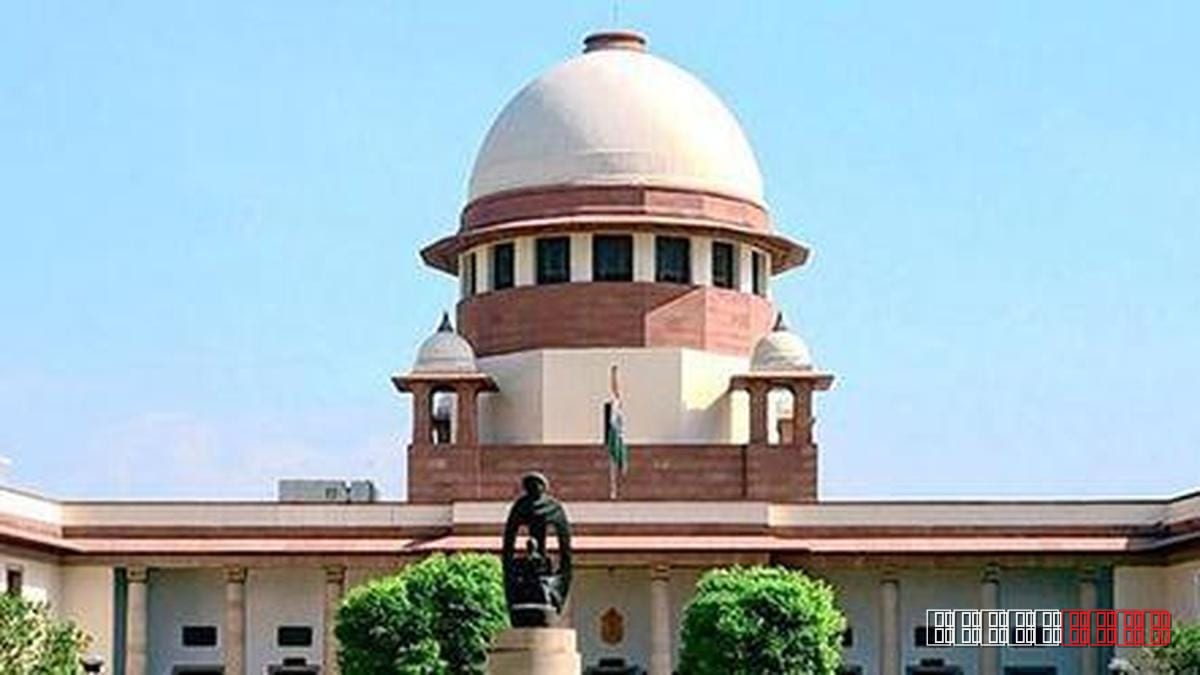
The Hindu reported that the Supreme Court has issued a directive compelling law‑enforcement agencies to seek a magistrate’s sanction before re‑arresting any individual. The bench emphasized that the police must submit a written application detailing the specific reasons for the renewed detention, and that the magistrate’s order must be recorded in the case file.
Under the new ruling, police officers are required to file the application before taking a person into custody a second time. The magistrate’s approval will hinge on whether the reasons supplied are credible and proportionate, and the decision must be documented to ensure transparency. Failure to comply could render the re‑arrest illegal and expose officers to disciplinary action.
The practice of re‑arresting suspects—often after they have been released on bail or after a court‑ordered discharge—has drawn criticism from civil‑rights groups for being used as a pressure tactic or to circumvent judicial orders. Prior to this judgment, the police could sometimes detain a person again without immediate judicial scrutiny, a loophole that courts have repeatedly warned against. The Supreme Court’s intervention follows several high‑profile cases where re‑arrest was alleged to be employed to intimidate witnesses or to delay legal proceedings.
Legal experts note that the decision aligns with the broader constitutional guarantee of personal liberty under Article 21 of the Indian Constitution. By inserting a magistrate’s gate‑keeping role, the Court aims to balance the state’s duty to maintain public order with the individual’s right to freedom from arbitrary detention. Police departments across the country are now expected to revise standard operating procedures and train officers on the new filing requirements.
Implementation will likely involve the creation of standardized forms for police applications and the establishment of a tracking system for magistrate orders. While the ruling is expected to curb misuse, some senior police officials have expressed concerns about potential delays in investigations, especially in cases involving serious offenses. The judiciary, however, maintains that procedural safeguards are essential to prevent erosion of fundamental rights.
The decision marks a significant step toward reinforcing judicial oversight over executive action, a theme that has recurred in India’s legal landscape since the landmark Maneka Gandhi case. As the new protocol rolls out, courts and civil‑society groups will monitor its impact on both law‑enforcement efficiency and the protection of individual liberties.
This report is based on original reporting by The Hindu. Read the original source →