The Fight Over Gaza’s Narrative: Who Determines the Surviving Truths?
An Al Jazeera analysis explores how digital visibility shapes the political struggle over information in the Gaza conflict.
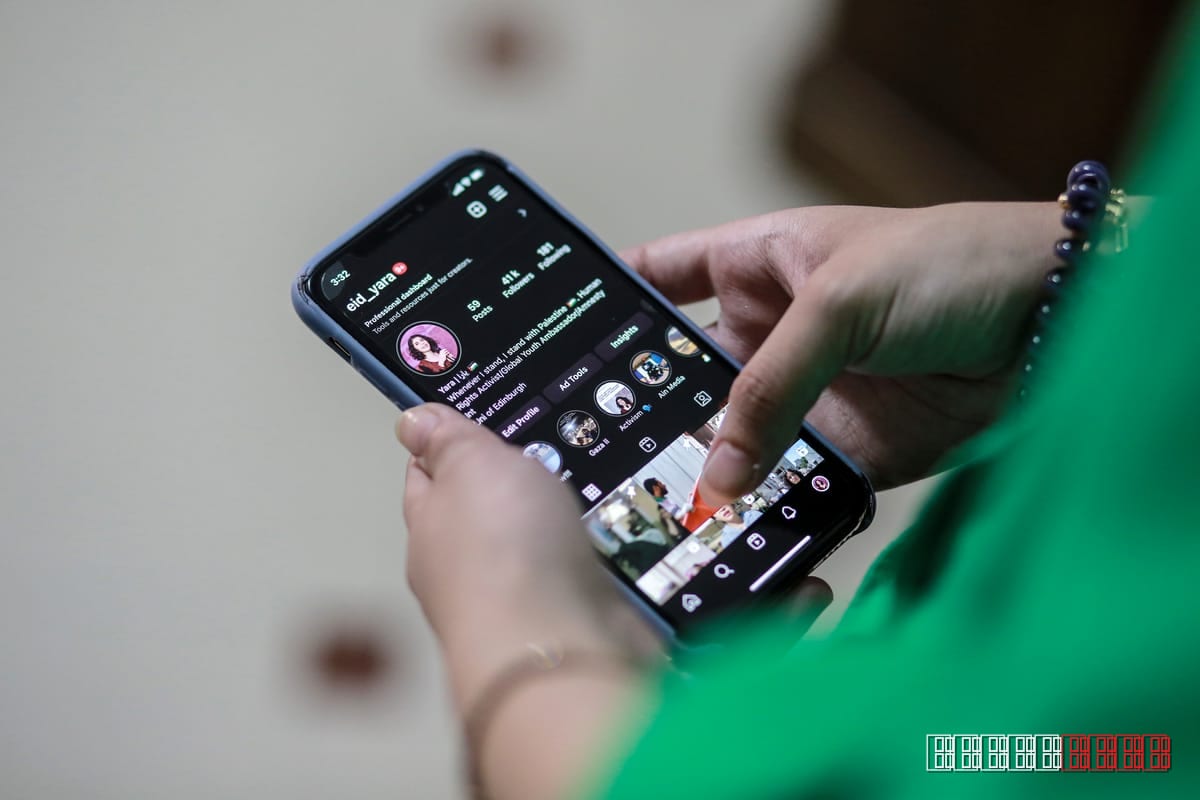
In a recent analysis, Al Jazeera highlights the growing importance of digital visibility in the Gaza conflict, coining the term “echoicide” to describe the systematic erasure of competing narratives. The piece argues that modern warfare is no longer confined to battlefields; it now extends into the realm of social media, satellite feeds and algorithm‑driven platforms where the ability to be seen can dictate political legitimacy.
According to Al Jazeera, the struggle over which stories survive is driven by a mix of state actors, militant groups, and international media outlets, each seeking to amplify their version of events while silencing dissenting voices. The analysis notes that the rapid spread of images and video clips can create a feedback loop, where the most sensational or emotionally resonant content is amplified, often at the expense of nuanced reporting.
The phenomenon is not unique to Gaza. Historical precedents, such as the media battles during the 1991 Gulf War and the 2003 Iraq invasion, showed how control over information could shape public opinion and policy decisions. In the digital age, however, the speed and reach of content have intensified these dynamics. Platforms like Twitter, TikTok and YouTube allow individuals on the ground to broadcast live footage, but they also enable state‑run propaganda machines to flood the same channels with curated narratives.
Why does this matter? The survival of particular truths influences humanitarian response, diplomatic negotiations and the broader international perception of the conflict. When certain images dominate the news cycle, they can trigger aid flows or, conversely, fuel political backlash. Moreover, the suppression of alternative accounts can deepen mistrust among local populations, complicating post‑conflict reconciliation efforts.
Al Jazeera’s analysis calls for a more critical consumption of digital content, urging audiences to question the provenance of what they see online. It also suggests that independent verification mechanisms, such as open‑source intelligence (OSINT) collaborations, could help preserve a more balanced record of events. As the Gaza war continues to unfold, the contest over narrative dominance is likely to remain a central front in the broader struggle for political power.
This report is based on original reporting by Al Jazeera. Read the original source →