Waymo launches its 15th robotaxi fleet in Las Vegas
The autonomous driving unit begins passenger service on the Strip, expanding its U.S. footprint.
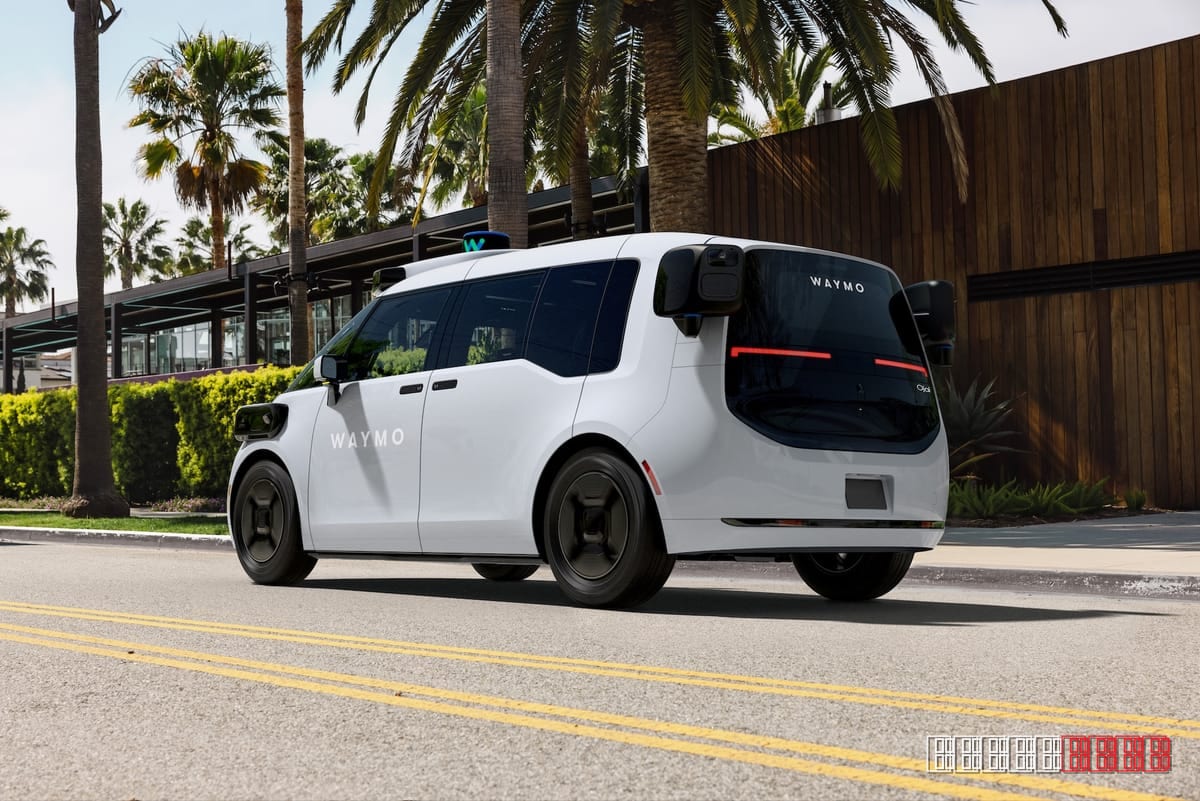
Waymo announced the start of its robotaxi operations in Las Vegas, marking the company’s 15th commercial market in the United States. According to TechCrunch, the service will run a fleet of fully driverless Chrysler Pacifica vans on designated routes across the city, allowing riders to summon a car through the Waymo app.
The launch follows a phased rollout that began with limited trials in Phoenix and expanded to San Francisco, Dallas and other metros. Waymo’s Las Vegas deployment is expected to serve both tourists and residents, offering a fare structure comparable to conventional rideshares. The company says the vehicles are equipped with its latest sensor suite, which combines lidar, radar and cameras to navigate the bustling streets and casino districts.
Why the move matters: The Las Vegas market is a strategic testbed for autonomous mobility because of its high tourist traffic, predictable route patterns and supportive local regulations. Nevada has been at the forefront of self‑driving vehicle legislation, granting Waymo and other firms permission to operate without a safety driver on public roads. This regulatory environment, coupled with the city’s interest in reducing congestion and emissions, creates a fertile ground for scaling robotaxi services.
Industry analysts note that Waymo’s expansion reflects broader confidence in autonomous technology after several years of mixed results for competitors. While firms like Cruise and Zoox have faced setbacks, Waymo’s incremental approach—building a robust sensor stack, extensive simulation testing, and a gradual geographic rollout—has helped it maintain a lead in commercial deployments. The Las Vegas launch also signals a shift toward more mainstream acceptance of driverless rides, as consumers become accustomed to the convenience of app‑based, on‑demand mobility.
Waymo plans to monitor performance metrics such as ride‑completion rates, safety incidents and passenger satisfaction closely during the first months. Data collected will inform future expansions, potentially adding more vehicles and extending service hours. If the Las Vegas operation meets expectations, it could accelerate the company’s goal of operating robotaxis in 20 U.S. cities by the end of the decade.
This report is based on original reporting by TechCrunch. Read the original source →