Child‑Star Ke Huy Quan Reveals $100,000 Indiana Jones Residual Was a Turning Point
In his memoir, Quan describes how a six‑figure check from a 1984 adventure film reshaped his early life.
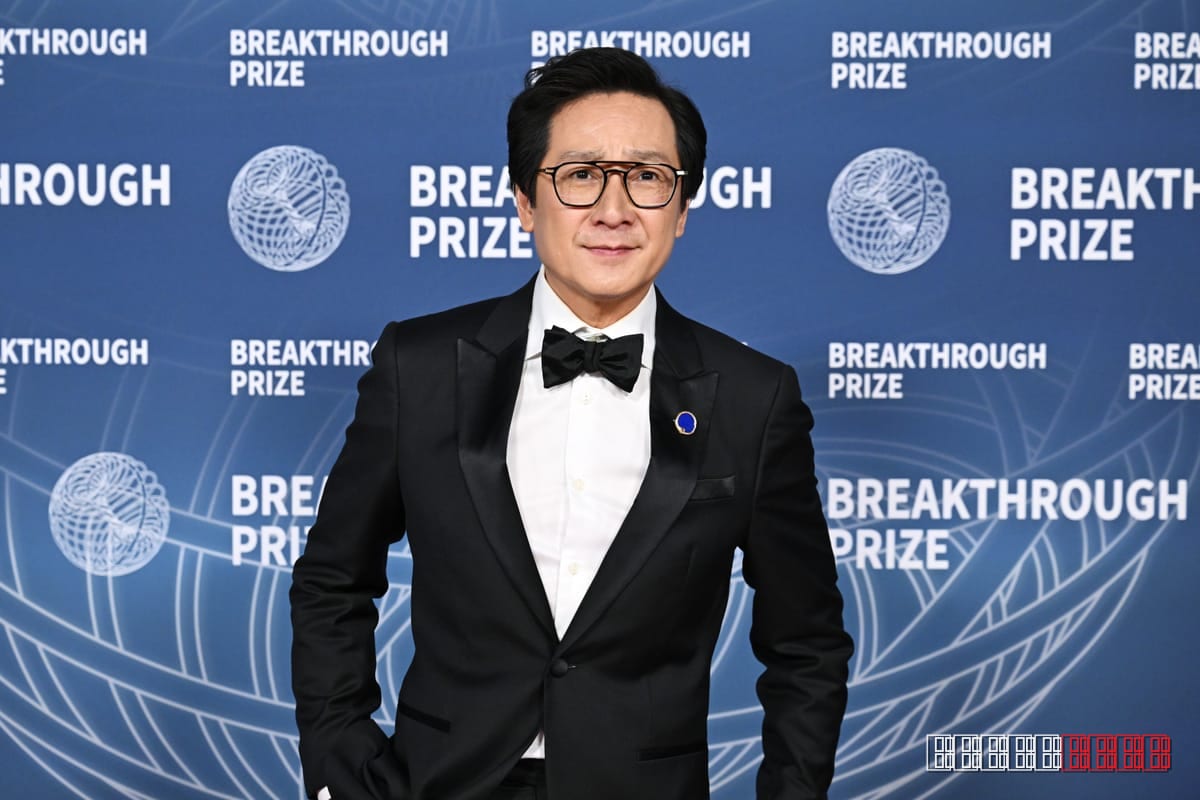
Ke Huy Quan disclosed in his debut memoir Never Say Die that the first residual payment he ever received – a $100,000 check for his role as Short Round in Indiana Jones and the Temple of Doom – felt “life‑changing” and “didn’t make any sense” at the time. The former child actor was just 12 years old when he was cast in the 1984 blockbuster, marking his first major screen appearance, Variety reported.
The check arrived years after the film’s release, a common practice in Hollywood where actors earn a percentage of a movie’s ongoing revenue streams. For a young performer in the 1980s, such a sum could fund education, family needs, or simply provide a rare financial cushion. Quan’s reaction underscores how residuals, especially for child actors who often lack long‑term contracts, can dramatically alter personal circumstances.
Quan’s career trajectory took a dramatic turn decades later when he returned to the spotlight with Everything Everywhere All at Once, earning an Academy Award for Best Supporting Actor. The resurgence highlighted the challenges many former child stars face: typecasting, limited roles, and the difficulty of re‑entering an industry that had moved on. His memoir, released this spring, offers a candid look at those hurdles and the unexpected financial windfall that helped sustain him during lean years.
Industry analysts note that residual checks of this magnitude are rare for child performers, particularly before the era of robust union protections and digital streaming royalties. In the 1980s, residuals were primarily tied to theatrical re‑releases and television syndication. Today, streaming platforms generate ongoing revenue, potentially increasing the size and frequency of payments for legacy films. Quan’s experience therefore serves as a case study in how the economics of film royalties have evolved and why many actors now negotiate for more favorable back‑end deals.
The memoir also sheds light on the emotional impact of sudden wealth for a teenager. Quan described the $100,000 as a “life‑changing” moment that seemed surreal, reflecting the broader narrative of child actors grappling with adult responsibilities before they are ready. His story resonates with a generation of performers who now navigate similar financial landscapes, balancing early fame with long‑term stability.
Variety’s coverage of Quan’s revelations adds a personal dimension to the broader conversation about how residuals shape the lives of actors beyond the marquee. As the industry continues to adapt to new distribution models, stories like Quan’s remind stakeholders of the lasting financial footprints that classic films can leave on their cast members.
This report is based on original reporting by Variety. Read the original source →